Understanding 4IR in Economic Transformation and Skills Development
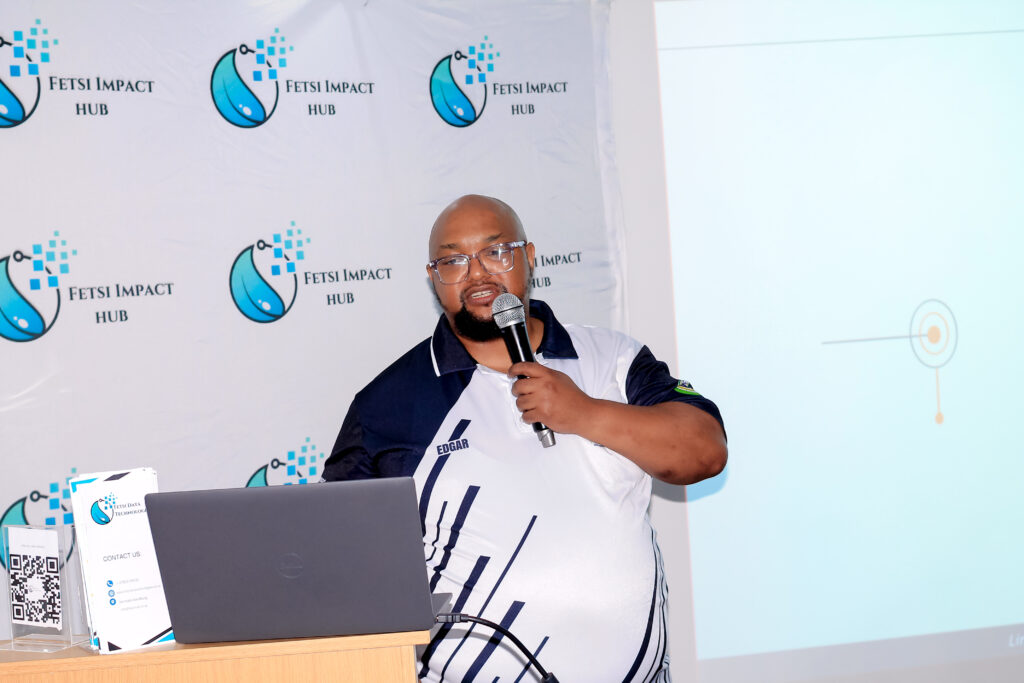
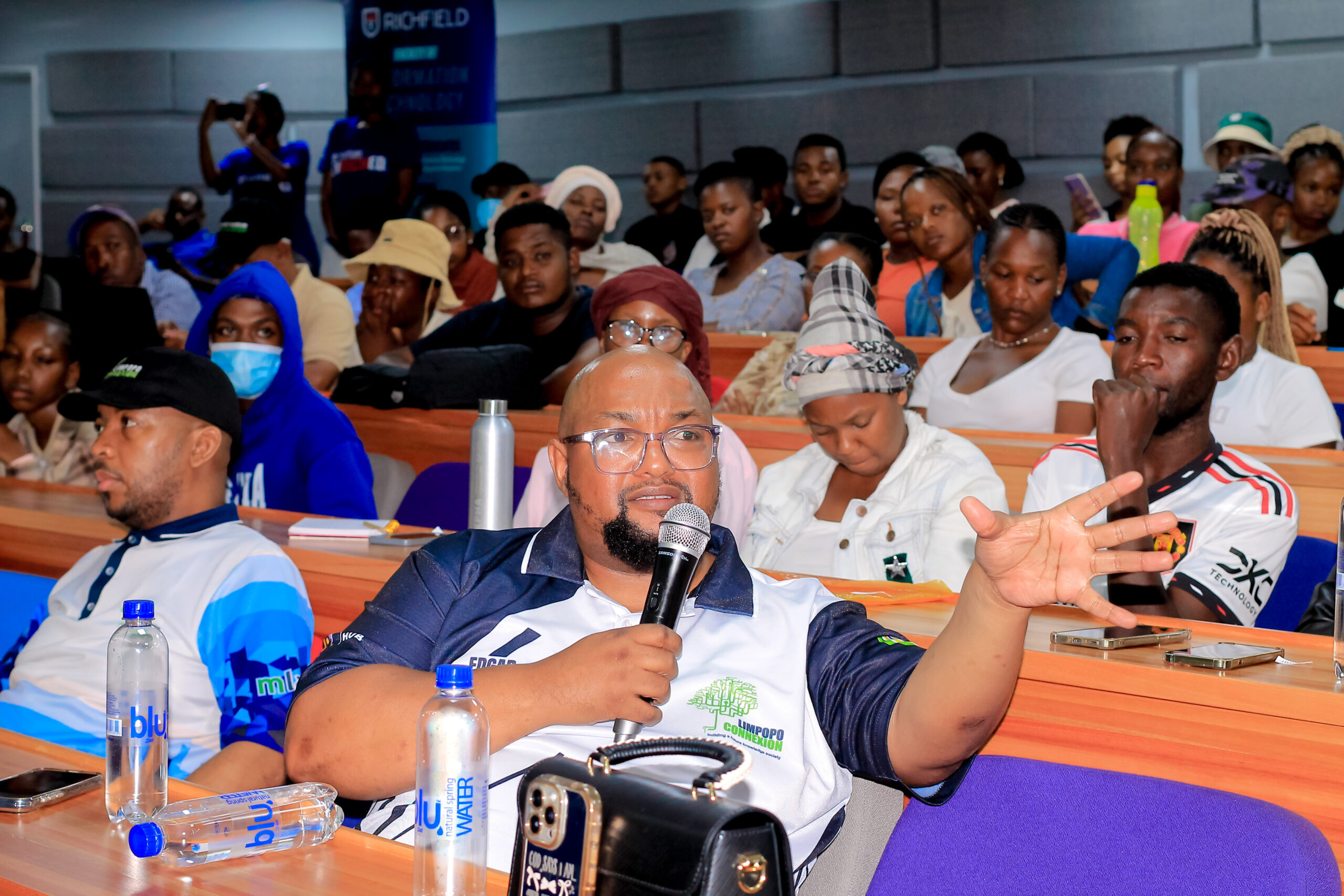
The Fourth Industrial Revolution is no longer a distant concept — it is an active force reshaping economies, redefining skills and transforming how provinces compete in a global marketplace. This was the central message delivered by Edgar Lebepe of Limpopo Connexion during his presentation on the role of 4IR in economic development and skills transformation.
Lebepe began by taking the audience on a historical journey through the industrial revolutions that have shaped modern civilisation. From the steam and water power of the First Industrial Revolution (1760–1840), to electrical power during the Second (1870–1914), to computers and the internet in the Third (1960s–2000s), each wave of transformation redefined labour markets and economic systems. The Fourth Industrial Revolution, which began around 2010, is characterised by intelligence — artificial intelligence, automation, data systems, advanced connectivity and digital integration.
Unlike previous revolutions driven primarily by machinery or electricity, 4IR is driven by data and intelligence. According to Lebepe, this shift changes not only how industries operate but also what skills are in demand. The highest-demand jobs increasingly require digital fluency, adaptability and innovation capability.
He connected this global evolution directly to Limpopo’s Development Plan 2025–2030, which prioritises transformation through digital infrastructure, connectivity expansion and smart economic ecosystems. Central to this vision is broadband rollout across institutions, the development of a Science and Technology Park in Polokwane, investment in digital skills and the advancement of Smart Special Economic Zones and Smart Cities.
As a state-owned ICT entity, Limpopo Connexion plays a strategic role in implementing this mandate. Its mission is clear: to develop the ICT industry, improve service delivery and enhance the provincial economy in line with the Fourth Industrial Revolution.
Limpopo Connexion’s infrastructure footprint reflects this ambition. Through the Limpopo Open Access Broadband Network, the organisation has established a data centre, network operations control centre, contact centre capabilities, fibre infrastructure, cloud services and wireless technologies. The data centre functions as an ICT nerve centre, supporting voice, data and cloud services while enabling application integration, video conferencing, virtual private networks and secure connectivity systems.
The broadband rollout achievements are significant. To date, approximately 140 kilometres of fibre have been self-built in towns, with an additional 550 kilometres of leased backhaul fibre. Fifty-six sites are connected, alongside nine Wi-Fi hotspots providing community access. Towns connected include Bela-Bela, Modimolle, Mookgopong, Mokopane, Polokwane and its surrounding areas, Makhado, Musina, and Tzaneen.
However, infrastructure alone does not define economic transformation. Lebepe highlighted the Limpopo Science and Technology Park as a catalytic investment aligned with the provincial development strategy. The park is designed to create and capture value across dominant sectors such as mining and mineral beneficiation, agriculture and agro-processing, tourism, ICT, manufacturing, transport and logistics.
The projected developmental impact is substantial. During construction, the project is expected to generate over 8,000 direct and indirect jobs, with approximately 1,500 jobs during implementation. An estimated 200 new businesses could be created annually during operations. GDP impact during construction is projected at around R6 billion, with ongoing operations contributing approximately R500 million annually to the provincial economy.
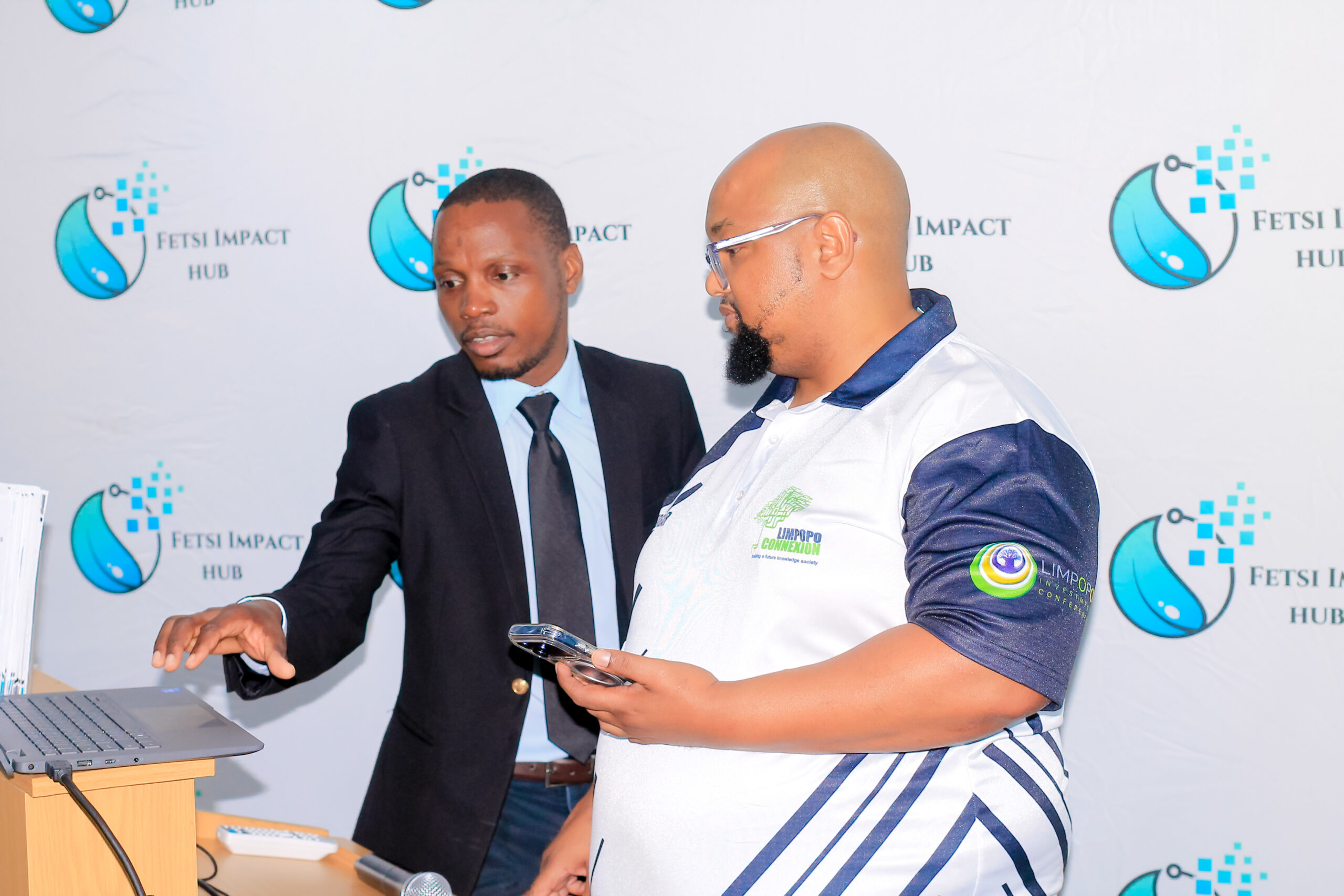
Limpopo Connexion serves as the implementing agent for the project, working alongside the Limpopo Economic Development Agency and key stakeholders including Capricorn District Municipality, the City of Polokwane, the Department of Science and Innovation, and private sector partners across mining, agriculture and technology.
Beyond large-scale infrastructure, digital inclusion is being driven through local innovation spaces such as the Seshego Digital Hub. Activities at the hub include web development training, online workshops, 4IR exposure through virtual reality and 3D printing, digital marketing, cloud hosting support for entrepreneurs, short e-learning courses and hackathons. The goal is to nurture ICT entrepreneurship while strengthening local digital capacity.
Lebepe concluded with what he described as the “4IR Unstoppable Advantage Formula” — a framework centred on digital skills, personal branding and adaptability. In a globalised digital economy, he stressed, individuals are no longer competing only within their classrooms or provinces; they are competing globally.
“4IR is not coming. It is here,” he emphasised. “The question is whether we will consume technology — or build it.”
His message was clear: the more digitally capable individuals and communities become, the more economically empowered they are. For Limpopo, 4IR is not merely about modernisation; it is about unlocking sustainable growth, fostering self-reliance and positioning the province as an active contributor to South Africa’s knowledge economy.
In the era of intelligence-driven industries, economic transformation begins with connectivity — but it is sustained through skills.

- Rated Excellent by our growing community
The Ultimate Standard for Economic Digital Inclusion
Developing Africa’s next generation of digital talent.
Your future in tech starts at Fetsi Impact Hub. Apply today and take your place in building inclusive, sustainable economic growth through technology.
Site Links
- info@fetsihub.co.za
- +2783 5129 131
- Gauteng: Oak Avenue Office Park: 376 Oak Avenue, Ferndale, Randburg 2188 South Africa
- Limpopo: 43 Blesbok Street, Founa Park, Polokwane, Limpopo, 0750
About Us
Programmes
Fetsi impact Hub Overview